Source eco friendly cotton sweat pants and hoodies set for Shopping, Home, Gym
Compare 30 listings for eco friendly cotton sweat pants and hoodies set from verified suppliers. Options include custom designs, various sizes, and OEM services for casual, sport, and home use applications; compare the available evidence and request quotations based on your requirements.
Key considerations
Products List




Comprehensive Sourcing Guide
Eco Friendly Cotton Sweat Pants and Hoodies Set Sourcing Guide
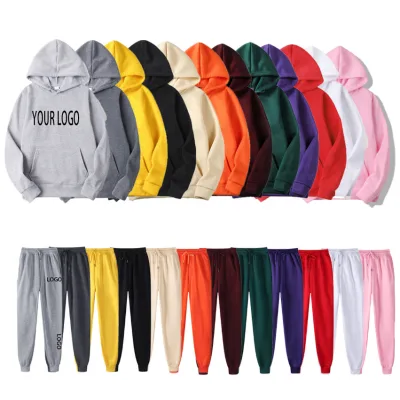
Sourcing a coordinated set of eco-friendly cotton sweatpants and hoodies requires balancing material integrity with functional design, particularly when targeting the unisex adult market. The observed product landscape indicates a strong preference for pure color patterns and customizable designs, allowing brands to maintain a clean aesthetic while incorporating unique branding elements. Buyers should prioritize suppliers who offer OEM services, as this ensures that the final product aligns with specific brand identities through custom logos and tailored fits. The emphasis on high-quality cotton suggests that durability and comfort are paramount, making it essential to verify fabric weight and weaving methods during the initial selection phase.
The versatility of these garments extends across multiple use cases, from casual shopping and home wear to active sports like yoga, gym workouts, and soccer. This broad applicability means that procurement strategies must account for varying performance requirements, such as windbreak capabilities, breathability, and anti-static properties. By selecting suppliers who support customized design and offer sample orders within a week, buyers can efficiently test these functional attributes before committing to large-scale production. Understanding these diverse applications helps in defining the precise technical specifications needed for each SKU, ensuring that the final set meets the expectations of both leisure and athletic consumers.
Product Scope and Observed Listing Signals
The current market signals reveal a diverse range of hoodie styles, including pullover designs with regular sleeves and round neck options, catering to both casual and sporty aesthetics. Buyers will encounter products with varying model numbers, such as YD92, J008, and UHNC20220616-6, which often correspond to different fabric compositions or structural features. It is crucial to distinguish between knitted and warp knitting methods, as these techniques significantly impact the garment’s stretch, recovery, and overall drape. The presence of customizable sizes from S to 4XL or custom measurements indicates that suppliers are equipped to handle varied body types, which is a critical factor for unisex apparel lines aiming for broad market appeal.
Color options are predominantly listed as colorful or pure color, with the latter often preferred for minimalist branding strategies. The observed price range of 0.5 to 28.9 USD suggests a wide spectrum of quality tiers, from basic promotional items to premium heavyweight hoodies. Buyers must carefully evaluate the listed fabric weights, as some products offer customized weights to meet specific seasonal or functional needs, such as the heavyweight option suitable for spring and autumn wear. Additionally, the inclusion of features like body shaping and anti-static properties highlights the functional evolution of these garments, moving beyond simple comfort to address specific consumer pain points in daily wear and active use.
Technical Specifications to Verify
Verifying the material composition is the first critical step, as the core keyword specifies eco-friendly cotton, yet observed listings also mention 100% polyester and blended options. Buyers must confirm the exact cotton percentage and source to ensure the "eco-friendly" claim is substantiated by traceable supply chains. Fabric weight is another vital specification, with some products offering customized weights to achieve the desired drape and warmth. It is essential to request detailed fabric swatches to assess hand feel, opacity, and shrinkage potential, ensuring that the material meets the durability standards required for repeated washing and active use without compromising the structural integrity of the sweatpants and hoodies.
Construction details such as sleeve style, collar type, and knitting method must be cross-referenced with the intended use case. For instance, warp knitting may offer different stability compared to standard knitted fabrics, affecting the garment’s longevity. Buyers should also verify the packaging standards, which range from individual OPP bags to paper cartons, as this impacts logistics costs and retail presentation. Additionally, the availability of custom sizes and the precision of size charts (S-2XL or custom) must be validated to minimize return rates. Ensuring that the stitching quality and seam strength are robust is particularly important for sweatpants and hoodies, which undergo significant stress during movement and wear.
Compliance and Safety Documentation
While specific certifications like OEKO-TEX and GOTS are mentioned in background data, buyers must independently verify the current status of these certifications for each supplier. Eco-friendly claims require robust documentation, including proof of organic cotton sourcing or recycled material content, to avoid greenwashing accusations. Buyers should request recent test reports that confirm the absence of harmful substances, such as azo dyes or heavy metals, ensuring that the garments are safe for direct skin contact. This is particularly important for unisex apparel worn by diverse demographics, including adults with sensitive skin, making compliance with international safety standards a non-negotiable aspect of the procurement process.
Documentation should also cover labor practices and environmental impact assessments, aligning with the broader definition of eco-friendly sourcing. Buyers need to ensure that suppliers adhere to ethical manufacturing practices, which can be verified through social compliance audits. Additionally, understanding the chemical management policies of the supplier is crucial, especially if custom dyes or finishes are involved. Requesting a comprehensive compliance package that includes material safety data sheets (MSDS) and certification validity dates helps in maintaining brand integrity and meeting the regulatory requirements of target markets, thereby reducing legal and reputational risks associated with non-compliant products.
Cost Drivers and Commercial Terms
The observed MOQ range of 1 to 500 units offers flexibility for startups and established brands alike, but buyers must analyze how volume impacts unit pricing. Lower MOQs may come with higher per-unit costs due to setup fees for custom designs and logo printing, while larger orders can leverage economies of scale. It is essential to clarify whether the listed prices include customization costs, such as embroidery or screen printing, as these can significantly affect the final landed cost. Buyers should also inquire about sample order lead times, which are typically supported within 7-10 working days, and factor these into their product launch timelines to avoid delays in market entry.
Commercial terms should clearly define payment structures, shipping responsibilities, and return policies for defective goods. Buyers must verify if the supplier offers tiered pricing based on order volume and customization complexity, as this can influence budget planning. Additionally, understanding the packaging options, such as individual poly bags or bulk cartons, is crucial for calculating logistics costs and storage requirements. It is advisable to negotiate clear terms for reorders, including price stability clauses and lead time guarantees, to ensure consistent supply chain performance. Transparent communication regarding these commercial terms helps in building a sustainable partnership with suppliers, reducing unexpected costs and operational disruptions.
Supplier Qualification and Quality Control
Qualifying suppliers requires a thorough assessment of their manufacturing capabilities, particularly their experience with cotton and blended fabrics. Buyers should verify the supplier’s production capacity and lead times, ensuring they can meet peak demand periods without compromising quality. Requesting references from previous clients, especially those in the apparel sector, can provide insights into the supplier’s reliability and responsiveness. Additionally, evaluating the supplier’s quality control processes, including in-line inspections and final random inspections, is essential to ensure that the finished products meet the specified standards for stitching, fabric quality, and overall appearance.
Implementing a robust quality control plan involves defining clear acceptance criteria for defects, such as loose threads, color mismatches, or sizing inaccuracies. Buyers should consider hiring third-party inspection services for pre-shipment checks to mitigate the risk of receiving substandard goods. It is also important to establish a communication protocol for addressing quality issues, including clear procedures for returns, replacements, or refunds. By maintaining open lines of communication and setting high expectations for quality, buyers can foster a collaborative relationship with suppliers, ensuring that the eco-friendly cotton sweatpants and hoodies sets consistently meet brand standards and customer expectations.
Long-Term Procurement Checks
Sustainable sourcing is an ongoing process that requires regular audits and updates to supplier practices. Buyers should periodically review the supplier’s compliance with environmental and labor standards, ensuring that their eco-friendly claims remain valid and verifiable. This includes monitoring changes in material sourcing, such as shifts in cotton origin or the introduction of new recycled materials, to ensure alignment with brand values. Additionally, staying informed about evolving regulations in target markets helps buyers anticipate compliance requirements and adjust their procurement strategies accordingly, maintaining a competitive edge in the sustainable apparel sector.
Building a resilient supply chain involves diversifying suppliers and maintaining strong relationships with key partners. Buyers should regularly assess supplier performance based on metrics such as on-time delivery, quality consistency, and responsiveness to issues. Establishing a feedback loop with end-users can provide valuable insights into product performance and areas for improvement, guiding future design and material choices. By continuously evaluating and optimizing the procurement process, buyers can ensure that their eco-friendly cotton sweatpants and hoodies sets remain relevant, high-quality, and aligned with the growing demand for sustainable fashion, securing long-term success in the market.
FAQs
Can I order custom hoodies with my own logo?
Yes, you can order custom hoodies with your own logo. The supplier accepts customer logos via OEM services and offers print or embroidery options. Customized designs are available to meet your specific branding needs for bulk orders.
What is the sample order lead time for these items?
The sample order lead time is typically seven days. Some listings support a seven-day sample order lead time, while others indicate a sample time of seven to ten working days. This allows for quick evaluation before placing larger orders.
Which sizes are available for the cotton sweat pants?
Available sizes range from S to 2XL or 4XL depending on the specific model. Custom sizes are also supported to ensure a perfect fit. The product specifications list standard sizing options alongside flexible custom size requests for various buyer requirements.
How is the fabric weight determined for these hoodies?
The fabric weight is customized according to your specific requirements. You can request a customized weight to achieve the desired feel, such as a heavyweight hoodie. This flexibility ensures the final product meets your exact performance and comfort standards.
What is the minimum order quantity for these products?
The minimum order quantity ranges from one to five hundred units. Specific MOQ values vary by supplier and product model. Buyers should check individual listings to confirm the exact minimum order quantity required for their specific customization needs.
Can I find suppliers in Guangdong or Shanghai for this set?
Yes, suppliers are located in Guangdong and Shanghai, China. The product origin is listed as Guangdong or Shanghai depending on the specific manufacturer. This allows buyers to source from different regions within China based on their logistical preferences.
What features do these hoodies offer for active use?
These hoodies offer features like windbreak, breathable, and anti-static properties. They are suitable for activities such as ball sports, soccer, and gym workouts. The design supports both casual and sporty styles for versatile daily use.